You’ve been booking clients for a couple of years, and your work keeps getting better. Your brand, on the other hand, still looks like the one you threw together in year one. Branding for creatives can feel impossible to figure out on your own, especially as your calendar fills up and you get busier and busier!
Maybe you’ve tried a free Showit template, a preloaded Canva brand kit, or one of those “website in a day” offers that sounded too good to be true (spoiler: it was). Even after all that effort, you still cringe a little when someone asks for your website link.
We’re Marielle and Michelle, the sisters behind Elle & Elle Design Studio, and we’ve spent years helping photographers, wedding planners, coaches, and other creative business owners trade their DIY brands for ones they’re proud to send to everyone.
In this guide, we’re breaking down what branding for creatives means, why it’s so important in a personal business, and our most important tips. Grab a coffee (or a mocktail, no judgment) and get comfy.
What Is Branding for Creatives?
Branding for creatives is the process of shaping how people see, feel about, and remember your creative business. It includes the visuals, like your logo, color palette, and fonts, but those are only the outer layer.
Underneath them is the strategy: who you serve, what you stand for, how you want clients to feel, and why someone should pick you over the twelve other photographers in your area.
For a lot of businesses, the brand and the founder are two separate things. For creatives, they overlap almost completely. When a couple books a wedding photographer, they’re hiring her eye and the way she makes nervous people relax in front of a camera. That means your brand has to reflect who you are, instead of a generic version of your industry.
A logo, color palette, and fonts don’t make a brand on their own. Your brand is the full experience someone has with your business, from the first Instagram post to the welcome email they get after booking. When all of those pieces line up, people trust you faster and remember you longer.
Why Is Branding for Creatives Important?
Creative services are personal. Clients are trusting you with something they care deeply about, so they look for proof that you’re the right person before they inquire.
Your brand is that proof. Before a potential client reads through your services and pricing, they’ve already formed an opinion based on how your website looks and feels.
A strong brand:
- Helps the right clients recognize you as their person
- Gives you the credibility to raise your prices
- Filters out inquiries from people who can’t afford you or aren’t a good fit
- Makes your business recognizable across Instagram and other marketing channels
- Takes pressure off referrals as your only sources of new clients
- Makes clients proud to tell their friends they work with you
Edelman’s Trust Barometer found that 81% of consumers consider being able to trust a brand a major factor in whether they buy from it. People who trust a brand are also more than twice as likely to recommend it to others. For creatives who rely on word of mouth, this is extremely important!
Branding for Creatives: 5 Tips from Elle & Elle
We’ve been designing brands and Showit websites for creatives since 2021, and these are the five tips we share with almost every client.
1. Answer the Hard Questions First
Most creatives start branding by opening Pinterest and picking colors they like. We get it, that’s the fun part! The problem is that colors chosen before strategy usually reflect your personal taste instead of what your clients connect with.
Every one of our projects starts with a brand strategy session where Michelle asks questions most designers never think to ask. Clients have started calling it “brand therapy,” and we’re not mad about it.
So, grab a notebook and work through these questions:
- Who is the one past client you’d clone in a heartbeat, and why?
- What do you want a potential client to feel in the first five seconds on your website?
- What do clients thank you for that has nothing to do with the final deliverable?
- What do you want people to say about your business when you’re not in the room?
- What kind of client do you never want to book again?
These questions aren’t easy, but the answers you come up with are going to help you make better decisions over the course of the branding process.
2. Design for the Prices You Want to Charge
Many creatives build their brand for the business they have now or had when they started. Then the business grows, prices go up, and the brand stays stuck in its starter era.
We saw this with Olivia, a destination wedding photographer. Her photography had evolved, but her DIY brand still looked like the beginner version of her business. After her rebrand, her monthly inquiries jumped from 3 to 5 a month up to 7 to 10.
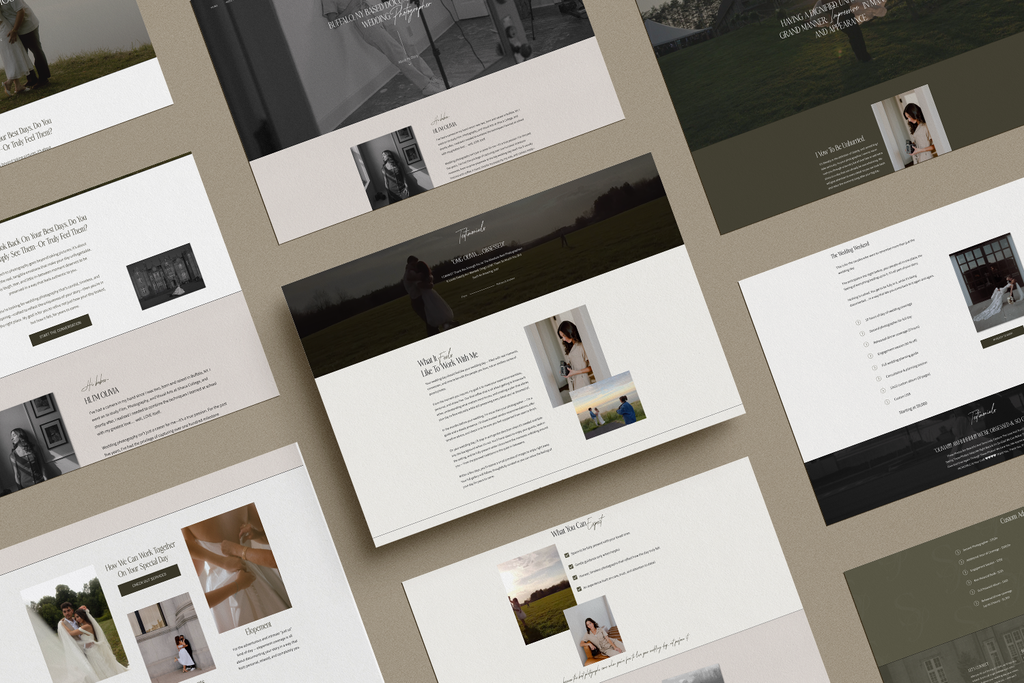
Try this: pull up the websites of two or three creatives in your industry who charge what you want to charge. Don’t copy them (please don’t!!), but notice what they have in common. Then ask yourself whether your brand would hold up next to theirs.
3. Use Storytelling
Trends are fun, but your story is the one thing no one in your industry can copy. Your brand is that story translated into visuals, so the colors you choose, the shapes in your logo, and even the textures on your website should all point back to who you are.
When Michelle designs a brand identity, she pulls from your personality and story and draws custom icons by hand in Procreate. For Julia, a holistic wellness coach, that meant a brand rooted in breathwork, aligned movement, and the healing community she was building (which later grew into retreats in Bali).
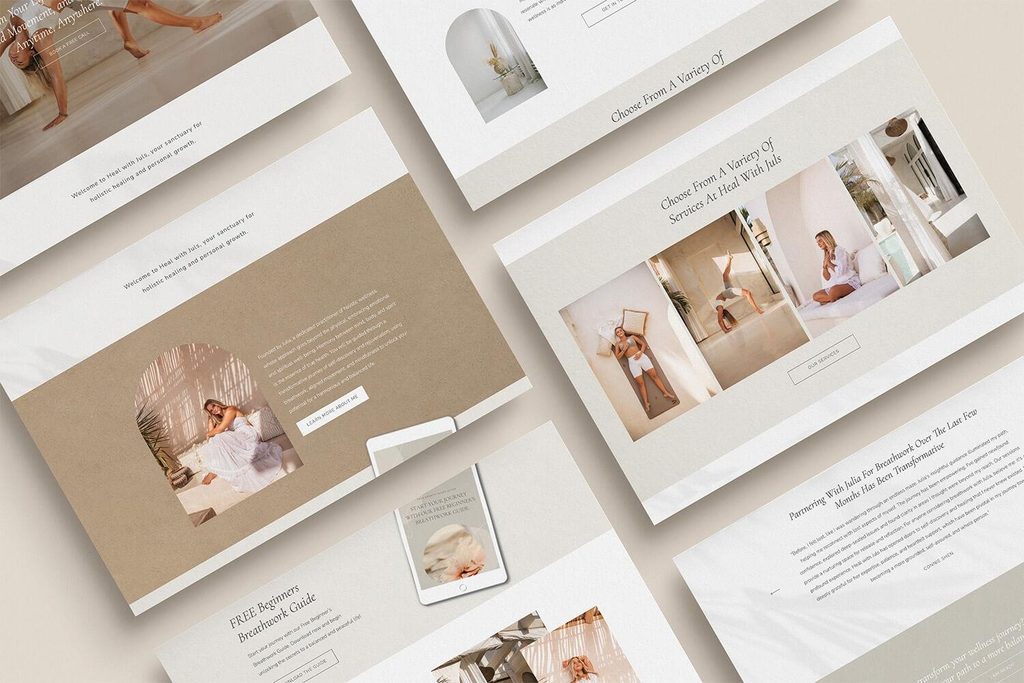
To start weaving your own story into your brand, write down five details about you or your business. It could be a location that’s important to you, a ritual you have, or the reason you almost quit and didn’t. Details like these make a brand feel like you and nobody else.
4. Let Someone Push Back on Your Ideas
You’re often too close to your own business to see it clearly, and that’s completely normal. Your business is your baby! The problem is that your favorite color might not be the one your dream clients respond to, and the tagline you love might confuse anyone who doesn’t already know you.
That’s a big reason Elle & Elle is a two-person studio. We challenge each other’s decisions constantly (sisters make brutal critics, trust us), so by the time you see your brand, it’s already survived a tough review. We’re also upfront with clients when something isn’t working.
5. Stay Consistent
Consistency is what makes you recognizable. Once your new brand is finished, check that every place clients find you uses the same colors, fonts, imagery, and tone of voice.
Make sure that everything is consistent:
- Website
- Instagram and other social profiles
- Email newsletter
- Inquiry form and auto-reply emails
- Proposals, contracts, and welcome guides
- Email signature
- Business cards and printed materials
Seeing the same brand everywhere builds trust. Salesforce found that 79% of customers expect consistent interactions with a company, no matter which part of the business they’re dealing with.
Examples of Branding for Creatives
Content by Bethh
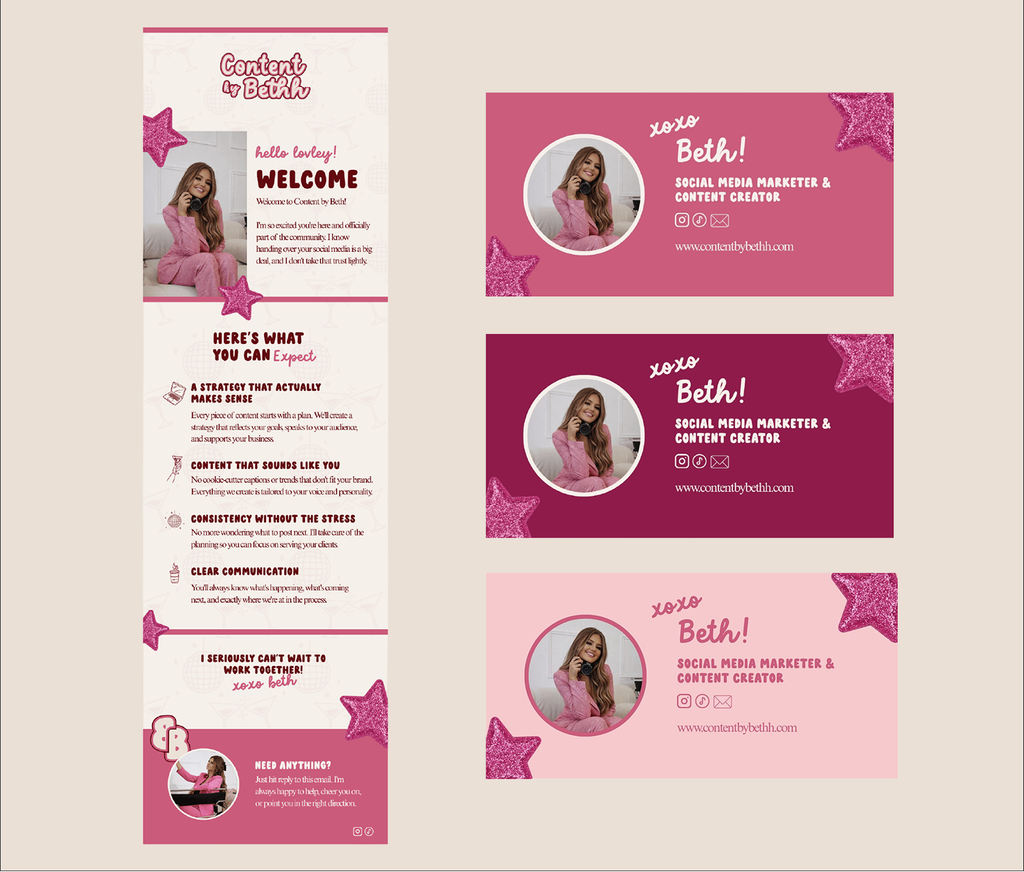
Beth is a social media strategist who helps therapists and female service providers grow their audiences and build brands that stand out online.
When she came to us, her brand no longer reflected the strategy and results she was delivering for her clients. She was stepping into a new season of growth and wanted to be seen as the trusted, results-driven leader she’d become.
We built a brand identity and social media graphics that position her as an authority while still feeling warm and approachable to the therapists she loves working with.
Even before her new website launched, Beth started posting more consistently, grew in confidence, and began getting messages from people complimenting how recognizable her business had become.
Heal With Juls
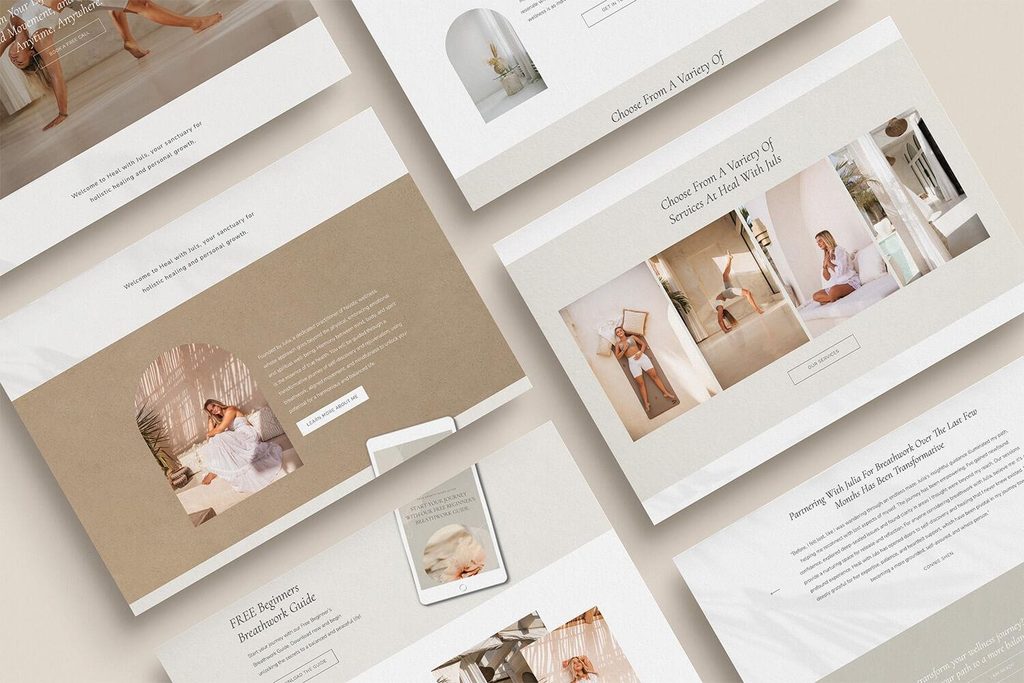
Julia is a holistic wellness coach and somatic healing practitioner who helps people reconnect with themselves through breathwork and aligned movement.
She started her business with a Milkshake website, which worked well at first, but she eventually outgrew it. She was getting ready to expand beyond one-on-one sessions and needed a brand that reflected the depth of her work.
We designed a brand and Showit website that feel safe and welcoming for anyone beginning their healing journey while positioning Julia as a trusted voice in the wellness space. Since launching, she’s expanded her offerings, started a retreat business, and hosted retreats in Bali.
Stately Photos
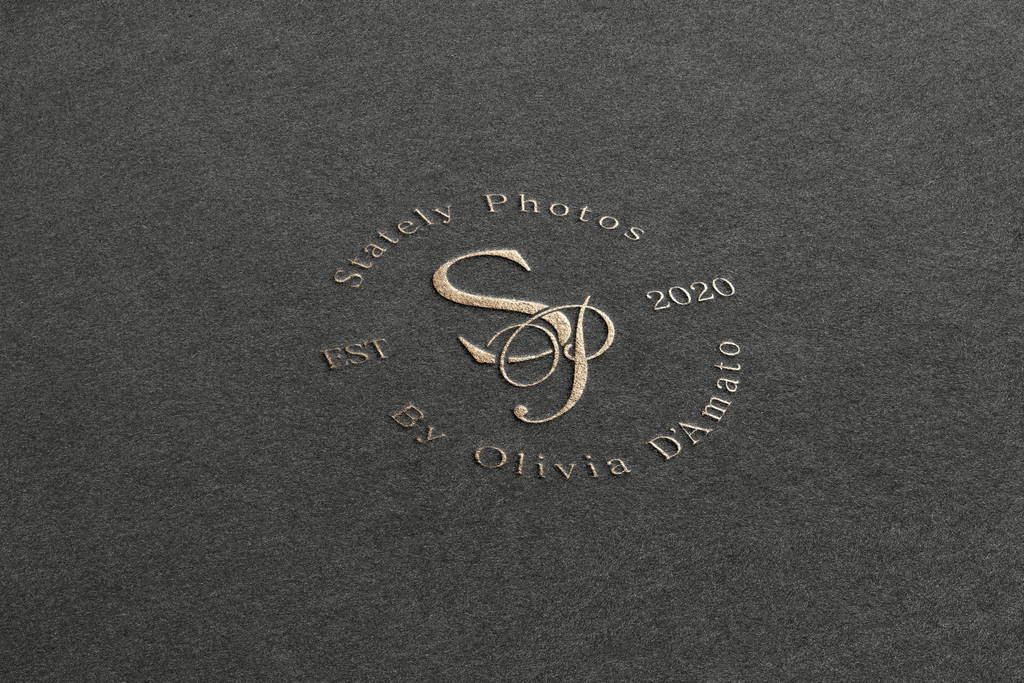
Olivia is a destination wedding photographer who captures documentary-style weddings for adventurous couples.
Her photography had evolved since she started in 2020, but her DIY brand and website hadn’t kept up. She struggled to communicate the heart behind her work beyond her images.
We created a brand and website that feel as warm and timeless as her photography, with plenty of room for her personality and values to come through. Since launching her new site, Olivia’s monthly inquiries have more than doubled, going from 3 to 5 a month up to 7 to 10.
Clarify Wellness
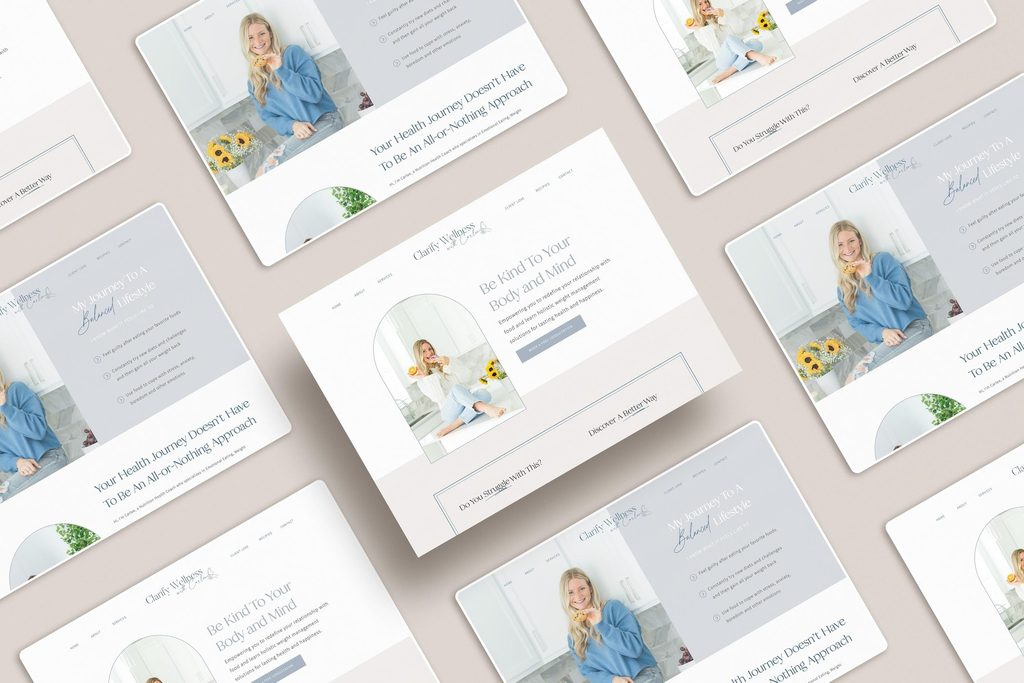
Carlee is a registered dietitian and nutrition coach who helps women build a healthier relationship with food through compassionate, evidence-based coaching. Her DIY brand and website no longer reflected the expertise and care she brought to her clients.
Our goal was to balance credibility with the warmth of her coaching style, so women landing on her website would trust her expertise and feel comfortable reaching out.
Since launching, Carlee has started booking clients more consistently and gained the confidence to share her expertise online. In her words, it feels amazing to send people to her website knowing it represents her business.
FAQs
How do I know when it’s time to rebrand my creative business?
If your work has grown but your brand still looks like it did in year one, it’s probably time! Other signs include cringing when someone asks for your website link, attracting clients who can’t afford your prices, or wanting to raise your rates but feeling like your brand doesn’t back them up.
Many of our clients come to us three to five years into business, once they’ve figured out their offers and who they love working with.
Should my creative brand be built around my name or a business name?
Using your own name works well when you are the service, like a photographer, coach, or designer whose clients are hiring them. A business name makes more sense if you plan to hire a team, sell the business someday, or want a little separation between your personal life and your work.
You can also blend the two, the way Content by Beth and Heal With Juls both pair a personal name with a description of what the business does.
How much does branding for creatives cost?
At Elle & Elle, The Ellevated Suite (brand strategy, brand identity, and a custom Showit website) starts at $7,500. If you only need part of the process, brand strategy and identity together are $5,000, and website design starts at $6,000. We also offer flexible payment plans so you can spread out your investment.
Get the Signature Branding for Creatives Experience with Elle & Elle
We’re Marielle and Michelle, best friends, sisters, and the duo behind Elle & Elle Design Studio. Since 2021, we’ve been helping self-led creative business owners trade their DIY brands for ones they’re proud to share with everyone they meet.
Our clients include photographers, wedding planners, podcasters, social media managers, coaches, and wellness professionals who have outgrown the brand they started with. The Ellevated Suite brings brand strategy, a hand-crafted brand identity, and a custom Showit website together in one experience.
Explore The Ellevated Suite to see everything that’s included, or get in touch to book your discovery call.
